
Key takeaways
- Iboga growing conditions copy the equatorial rainforest understory: warm, humid, shaded and never frosty.
- The best iboga soil is light, humus-rich and sharply free-draining, kept slightly acidic to neutral.
- Young plants want filtered light and steady warmth above roughly 20C; cold snaps stall growth and risk root loss.
- Feed lightly and often during active growth, then ease off as temperatures and daylight fall.
- In most of Australia, a greenhouse or indoor setup is the realistic way to hold these conditions year round.
Iboga grows best when you recreate its native home: a warm, humid, shaded rainforest floor with light, fast-draining soil. Get the iboga growing conditions right and the plant is slow but steady; get them wrong and it sulks, drops leaves, or loses its sensitive roots. This guide walks through soil, humidity, light, feeding and temperature so you can set up a healthy plant with realistic expectations.
Tabernanthe iboga is a shrub of West-Central Africa. Kew's Plants of the World Online records its native range as W. Central Tropical Africa to Angola, where it grows primarily in the wet tropical biome (Royal Botanic Gardens, Kew, Plants of the World Online, retrieved 13 October 2026). That single fact tells you almost everything about how to treat it in cultivation.
What Soil Is Best for Iboga?
The best iboga soil is light, rich in organic matter and sharply free-draining. In the wild, iboga grows in forest leaf litter over porous ground, so its roots expect air as much as moisture. A dense, compacted mix that holds water is the fastest way to lose a plant to root rot.
A reliable potting blend looks something like this:
- Two parts good-quality potting mix as the base.
- One part perlite or coarse propagating sand for drainage and air.
- One part fine composted bark or coir for structure and moisture buffering.
Keep the soil slightly acidic to neutral, which suits most understory tropical plants and matches the humus-rich forest floor iboga comes from. If your water or mix trends alkaline over time, a little composted pine bark helps nudge it back toward the acidic side the plant prefers.
Drainage is the part people get wrong most often. Use pots with generous drainage holes, raise them slightly off the ground, and let the top of the mix dry a little between waterings. Consistent moisture is good. Standing water is not.
Mimicking a Humid Tropical Climate: The Core of Iboga Growing Conditions
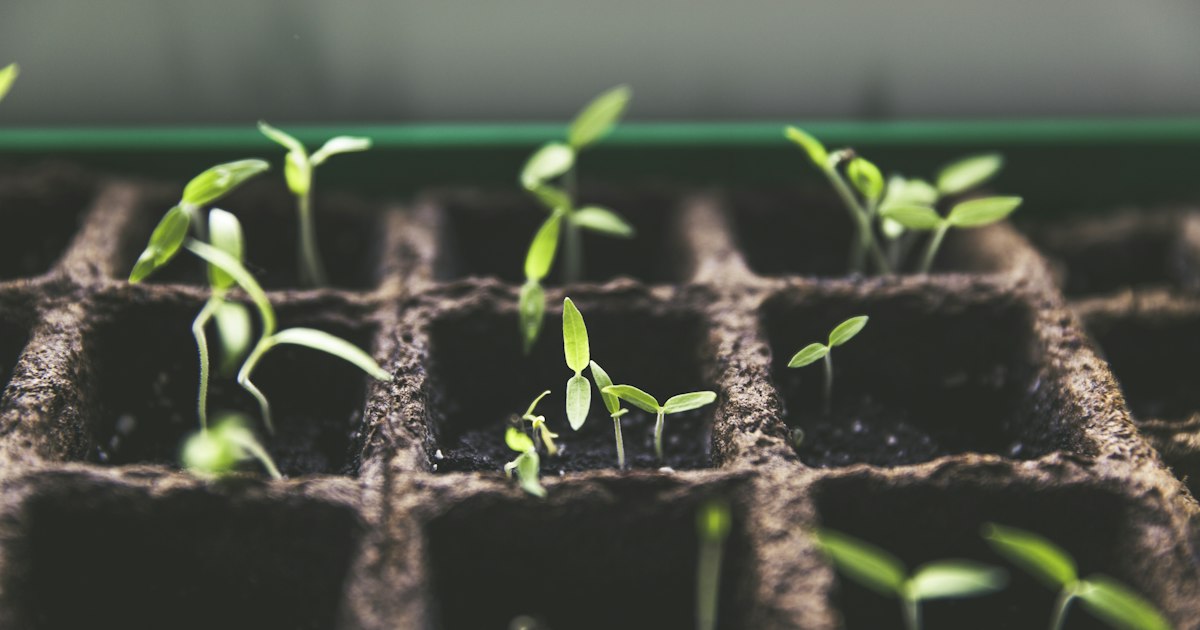
You mimic the tropics by holding warmth and humidity steady and avoiding cold draughts. Iboga's native environment is consistently warm and wet, so the goal indoors is stability rather than extremes. Most Australian homes are drier and cooler than a rainforest, which is why recreating these iboga growing conditions usually means an enclosure.
Humidity is the big one. Aim for high relative humidity, broadly in the 70 to 90 percent band that rainforest plants enjoy, though iboga will cope with less if the roots stay healthy. Practical ways to raise it:
- Group plants together so they share transpired moisture.
- Stand pots on trays of damp pebbles, keeping the pot base above the water line.
- Run a small humidifier in a closed grow tent or greenhouse.
- Mist occasionally in dry weather, more for spot relief than as a main method.
A clear-sided grow tent, a terrarium for seedlings, or a hobby greenhouse all make this far easier than trying to humidify an open room. Good airflow matters too, since stagnant humid air invites fungal problems. A quiet fan on a low setting keeps the air moving without drying the leaves.
If you are starting from seed rather than a potted plant, the humidity rules are even stricter during germination. Our step-by-step guide to growing iboga from seed goes deeper on that stage.
How Much Light and What Photoperiod Does Iboga Need?
Iboga prefers bright, filtered light rather than harsh direct sun, because it evolved under a forest canopy. Young plants especially can scorch in full midday sun, so partial shade or diffused light protects them while they establish. As the plant matures it tolerates more light, but gentle is still the rule.
Because its native range sits near the equator, iboga is used to a roughly even day length all year, close to 12 hours of light and 12 of dark. You do not need to chase a strict photoperiod, but you should avoid very short winter days indoors. If natural light is weak through an Australian winter, a basic full-spectrum grow light on a timer for around 12 hours keeps growth ticking over.
Signs you have the light balance wrong are easy to read. Pale, stretched stems reaching toward a window mean too little light. Bleached or crispy leaf patches mean too much direct sun. Adjust position or add light shade cloth until the new growth looks compact and deep green.
How Should You Fertilise Young and Mature Iboga Plants?
Feed iboga lightly and often during active growth, then taper off as the plant slows. Iboga is a slow grower, so it does not need heavy feeding, and overfeeding a young plant can burn its sensitive roots faster than it helps.
For seedlings and young plants:
- Wait until the plant has a few true leaves and is clearly growing before feeding.
- Use a balanced liquid fertiliser at half the label strength.
- Feed every few weeks through the warm growing season only.
For established, mature plants:
- Step up to full recommended strength if growth is strong.
- Favour a balanced or slightly nitrogen-leaning feed in spring and summer.
- Flush the pot with plain water occasionally to clear built-up salts.
Organic options such as diluted worm casting tea or a gentle seaweed solution suit iboga's forest-floor origins and are forgiving if you misjudge the dose. Whatever you choose, pair feeding with warmth and light. Fertiliser only helps when the plant is actually in a position to grow, which brings us to temperature.
How Do You Manage Temperature Swings and Dormancy?
Keep iboga consistently warm and protect it from cold, because it is frost-sensitive and growth stalls when temperatures drop. A comfortable band is roughly 22 to 28C during the day, with nights staying well above about 15C. Below that, the plant effectively pauses, and real cold can kill it.
Iboga does not have a true, tidy dormancy the way a temperate tree does. Instead it slows markedly when conditions cool and shortens, which can look like dormancy. During these quieter cool-season stretches, change your care rather than your worry:
- Water less, since a slow plant in cool soil uses little and rots easily if wet.
- Stop or greatly reduce feeding until warmth and growth return.
- Avoid repotting or any root disturbance, as iboga resents it at the best of times.
Sudden swings are worse than a steady cool spell. Keep plants away from heater vents, cold window glass and draughty doorways. In most of Australia, holding these temperatures through winter is the single strongest argument for a greenhouse or an indoor grow space, where you control the climate instead of fighting it.
If you are weighing up whether to grow at all, it helps to understand the plant beyond horticulture. Our beginner's guide to what iboga is gives useful background on the species and its significance.
Setting Realistic Expectations in an Australian Climate
Iboga is a tropical specialist, and most of Australia is neither as warm nor as humid as the Gabonese forest it comes from. Outdoor, in-ground growing is realistic only in frost-free tropical or subtropical areas, and even there you would use shade and steady moisture. For everyone else, a greenhouse, grow tent or bright indoor corner is the dependable path.
A sensible next step is to decide on your setup before you source a plant or seed: confirm you can hold warmth above roughly 20C, provide filtered light, and keep humidity up through winter. Once that space is ready, choose quality starting material and match your soil mix and watering to the conditions described above. Iboga Farmers can help with product information and documentation for Australian growers and organisations planning a cultivation project, so get in touch with your questions before you buy.
Frequently asked questions
What are the ideal iboga growing conditions?
Warm temperatures of roughly 22 to 28C, high humidity around 70 to 90 percent, filtered light rather than harsh sun, and a light, free-draining acidic soil. Iboga is frost-sensitive, so protect it from cold.
What soil is best for iboga?
A light, humus-rich mix that drains fast. Combine quality potting mix with perlite or coarse sand and some fine composted bark. Aim for slightly acidic to neutral soil and avoid heavy, waterlogged ground.
Can you grow iboga outdoors in Australia?
Only in frost-free tropical or subtropical pockets, such as parts of Far North Queensland, and even then with shade and reliable moisture. In most of the country a greenhouse or indoor setup is the safer choice.
How much light does an iboga plant need?
Iboga evolved under a rainforest canopy, so it prefers bright, filtered light or partial shade. Young plants in particular can scorch in full sun. Mature plants tolerate more light once established.
Why is my iboga plant not growing?
The most common causes are cold temperatures, soggy soil and low humidity. Growth slows sharply below about 20C, and roots rot in wet, airless mixes. Check warmth, drainage and humidity first.