
Key takeaways
- Ibogaine is used mainly to interrupt opioid dependence by reducing withdrawal symptoms and cravings during a single supervised session.
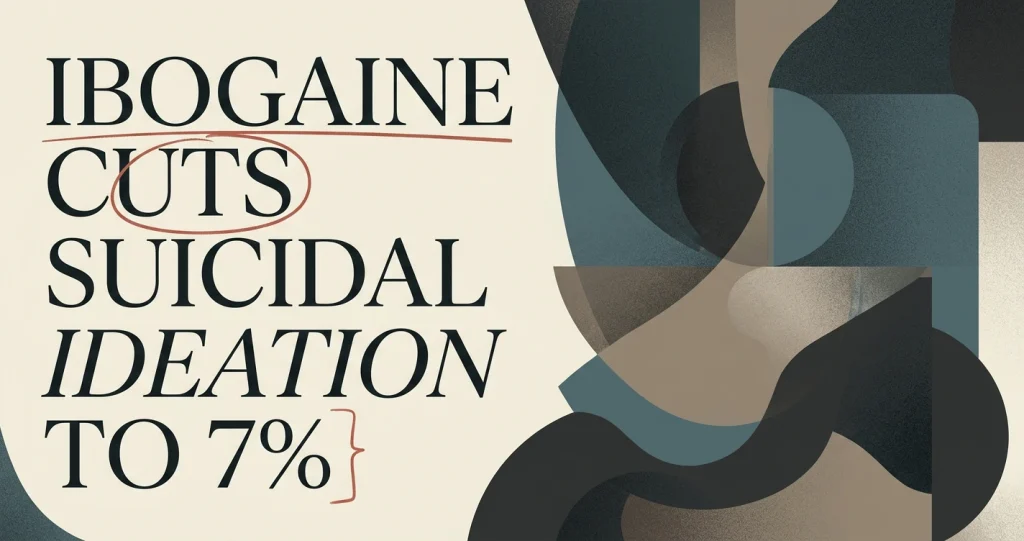
- In a 2024 Stanford study of 30 veterans, suicidal ideation fell from 47% to 7% one month after ibogaine treatment, with no serious cardiac events under a magnesium protocol.
- Ibogaine is a DEA Schedule I substance in the US, so legitimate access happens only through approved research or in clinics abroad.
- Cardiac screening and continuous monitoring are standard because ibogaine can prolong the heart's QT interval, a known risk during treatment.
- In 2025, Texas committed $50 million to fund FDA clinical trials of ibogaine, the first state-funded program of its kind.
Ibogaine addiction treatment uses a single high dose of a plant-derived compound to interrupt opioid dependence, easing withdrawal and quieting cravings within one supervised session. It is not a cure, and it is not legal to prescribe in the United States, but a growing body of research is testing whether it belongs in mainstream medicine.
The compound comes from the root bark of the West African shrub Tabernanthe iboga, long used in Bwiti spiritual practice. Interest in ibogaine for addiction grew after people in recovery reported that it blunted the brutal early days of opioid withdrawal. This article explains the pharmacology, the reported effects, how treatment is actually run, the safety screening involved, and why the practice remains experimental in the US.
The stakes are high. In 2024, the United States recorded 54,045 opioid overdose deaths, with synthetic opioids such as fentanyl accounting for 47,735 of them (CDC National Center for Health Statistics, January 2025). Against that backdrop, researchers and families keep asking whether an unconventional tool like ibogaine can help.
The Science Behind Ibogaine and Opioid Receptors
Ibogaine does not work like methadone or buprenorphine, which occupy opioid receptors directly. Instead it acts on many systems at once, and that broad activity is thought to underlie its unusual effects on dependence. Researchers describe it as a multi-target compound rather than a single-receptor drug.
Inside the body, ibogaine is quickly converted to a long-lasting metabolite called noribogaine. Both molecules touch opioid receptors, NMDA glutamate receptors, serotonin transporters, and nicotinic receptors. This mix appears to reset some of the signaling changes that drive craving and compulsive use, which may explain why a single dose can produce effects that outlast the drug itself.
The NMDA receptor connection matters most for withdrawal. Blocking that receptor can reduce the nervous system hyperactivity that makes opioid withdrawal so painful. The serotonin and dopamine effects, meanwhile, may contribute to the reflective, dream-like mental state that many people describe during a session. Scientists still do not fully understand how these pieces combine, and honest providers say so.
Reported Effects on Cravings and Withdrawal
The most consistent report from people who undergo ibogaine addiction treatment is a sharp drop in opioid withdrawal symptoms, often within hours, followed by reduced cravings that can last weeks or months. Much of this evidence is observational, drawn from clinics and case series rather than large randomized trials.
Controlled data in humans is still thin, but the signal from recent research is strong enough to attract serious institutions. In a 2024 Stanford study of 30 Special Operations veterans treated with ibogaine, suicidal ideation fell from 47% to 7% one month after treatment, and the team reported no serious cardiac events using a magnesium-based protocol (Veterans Exploring Treatment Solutions / Stanford, January 2024). That study focused on traumatic brain injury and PTSD rather than opioid use, yet it is one of the most rigorous human datasets available and informs how addiction protocols are designed.
For people in recovery, the practical appeal is simple. Withdrawal is often the barrier that keeps someone trapped in use. If one session can carry a person through the worst of it and open a window of reduced craving, that window becomes a chance to start real recovery work. The effect is a starting point, not a finish line.
Typical Ibogaine Addiction Treatment Protocols
A typical ibogaine protocol runs over several days and centers on one dosing session that lasts roughly 24 to 36 hours under continuous supervision. The structure is remarkably consistent across reputable clinics, even though they operate in different countries and under different rules.
Treatment usually moves through clear stages. First comes intake and medical screening. Next is the dosing session itself, during which the person lies in a quiet, darkened room while staff monitor vital signs. An intense introspective phase gives way to a longer recovery and integration period. Providers that track outcomes carefully, a capability platforms like Ibogafarmer emphasize, tend to document each stage and follow up afterward.
A common protocol framework looks like this:
- Pre-screening with medical history, bloodwork, liver function, and an ECG
- Tapering or stabilizing existing opioid use before the session
- A single measured dose given under continuous cardiac and vital-sign monitoring
- A supervised recovery window of one to two days
- Structured aftercare, counseling, and relapse-prevention planning
Dosing is individualized by body weight, health status, and the substance being treated. The session is physically and emotionally demanding, which is why the surrounding care matters as much as the dose. Clinics that skip screening or aftercare are cutting the corners that keep people safe.
Safety Screening and Medical Supervision
Safety screening is the single most important part of responsible ibogaine treatment, because the compound can disturb the heart's electrical rhythm. Ibogaine is known to prolong the QT interval, which in vulnerable people can trigger a dangerous arrhythmia. This is not a minor caution. It is the reason serious providers treat screening as mandatory.
Before any dose, candidates typically undergo an electrocardiogram, blood tests, liver function checks, and a full review of current medications and heart history. People with cardiac conditions, significant liver impairment, or certain drug interactions are usually turned away. During the session, staff monitor heart rhythm and vital signs continuously, often with resuscitation equipment on hand.
The 2024 Stanford cohort reported no serious cardiac events, but that outcome depended on careful patient selection and a magnesium protocol designed to protect the heart. Outcomes like that do not transfer to unscreened settings. Anyone considering treatment abroad should ask hard questions about screening standards, on-site medical staff, and emergency protocols before committing.
Why It Remains Experimental in the US
Ibogaine remains experimental in the United States mainly because it is a Schedule I controlled substance, the strictest federal classification, placing it alongside heroin and LSD. Under that status it cannot be prescribed, and it can be studied only through tightly controlled, federally approved research. That legal wall has slowed clinical development for decades.
The landscape is beginning to shift. In 2025, Texas committed $50 million to fund FDA clinical trials of ibogaine through Senate Bill 2308, the first state-funded ibogaine research program in the country (Fox 7 Austin, June 2025). Supporters, including many veterans' groups, argue that rigorous trials are the only path to safe, legal access. Critics point to the cardiac risks and the thin base of controlled human data.
Until trials mature, Americans who seek ibogaine generally travel to clinics in countries where it is legal or unregulated, such as Mexico, Canada, and New Zealand. That reality creates obvious risks around clinic quality and oversight. The sensible response is education: understand the science, the protocols, and the safety demands before making any decision, and rely on sources that present the full picture rather than a sales pitch.
If you or someone you care about is weighing this path, start by talking with a qualified medical professional about your heart health and current medications, then research providers and the evidence with the same scrutiny you would apply to any serious procedure. A well-informed decision, grounded in screening and supervision, is the one thing every credible protocol has in common.
Frequently asked questions
Is ibogaine legal for addiction treatment in the United States?
No. Ibogaine is a Schedule I controlled substance under US federal law, so it cannot be prescribed. Legal access occurs only through federally approved research or at licensed clinics in countries such as Mexico, Canada, and New Zealand.
How does ibogaine help with opioid withdrawal?
Ibogaine interacts with several receptor systems, including opioid and NMDA receptors. Many people report that a single session sharply reduces withdrawal symptoms and cravings, though controlled clinical evidence in opioid dependence is still limited.
Is ibogaine treatment safe?
It carries real risk. Ibogaine can prolong the heart's QT interval and has been linked to fatal arrhythmias, which is why reputable providers require cardiac screening, continuous monitoring, and emergency support throughout the session.
What happens during a typical ibogaine session?
After medical screening, a person takes a measured dose and spends roughly 24 to 36 hours under supervision. The experience includes an introspective dream-like phase followed by recovery, after which aftercare and counseling are strongly recommended.